







Search Results for: trademark infringement
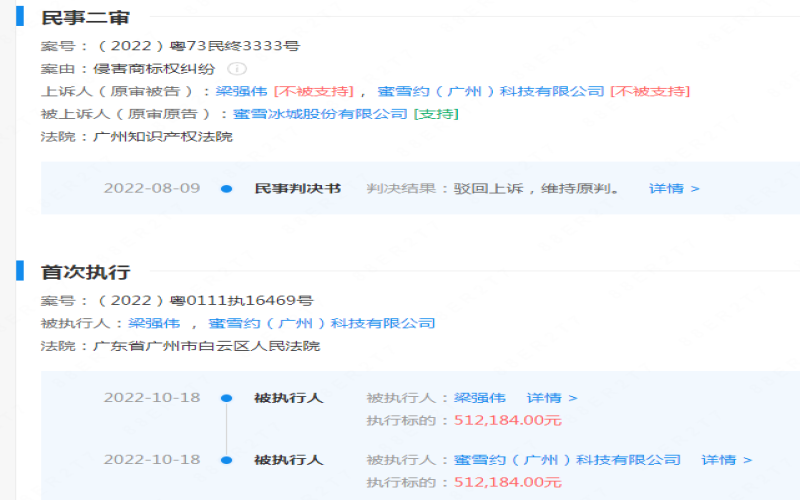
Mixue Approx. Affiliate Sentenced to Pay 510,000 Yuan for Trademark Infringement of Mixue Bingcheng; Defensive Trademark Portfolio Becomes a Moat for Tea Beverage Brands
The new tea beverage sector continues to heat up, and the phenomenon of brand trademarks being maliciously infringed upon is becoming increasingly frequent. Well-known brands such as Heytea, The Alley, and Sexy Tea have all encountered counterfeit troubles, and this time it is Mixue Bingcheng, with stores all over the world, that is affected. A milk tea brand called Mixueyue was sued by Mixue Bingcheng for trademark infringement because its text and trademark were highly similar to the Mixue Bingcheng series of trademarks. The final judgment ordered Mixueyue to pay 512,184 yuan in compensation, and its appeal request was rejected. Mixue Bingcheng has more than 22,000 stores worldwide, and its A-share listing application has also been accepted, while Mixueyue Company has now been deregistered. Behind this lawsuit is the strategy of leading tea beverage brands building a legal moat through defensive trademarks. This article takes you through the whole case, the backgrounds of both parties, and the operating logic of defensive trademarks. [more…]
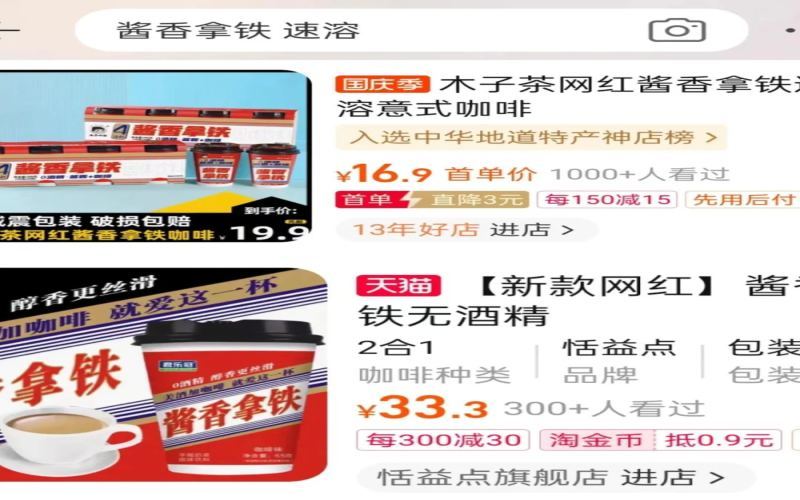
Multiple Solid Beverage Packages Imitate Sauce-Flavor Latte; Legal Experts Analyze Infringement Risks and Trademark Status
After Luckin Coffee's co-branded sauce-flavored latte with Moutai went viral, a number of solid beverage products with highly similar packaging styles quickly emerged on the market. These products not only have similar names, but also almost copy the red background with blue-and-white diagonal bar composition of the original packaging. Some lawyers pointed out that using a similar trademark on the same or similar goods without the permission of the trademark registrant, where it is likely to cause confusion, constitutes infringement of the exclusive right to use a registered trademark. However, some manufacturers claim that the sauce-flavored latte category cannot be registered and that the color scheme is not protected by copyright, which has triggered discussion about the boundary between imitation and infringement. [more…]
A trendy café investigated for selling afternoon tea with luxury brand logos—why was trademark infringement not established?
A while back, a "ladies-who-lunch afternoon tea" trend took the internet by storm. A trendy café in Ningbo drew crowds of customers checking in after it printed "LV" and "CHANEL" logos on its coffee and cakes, but it also caught the attention of market regulators. After investigation, law enforcement determined that the shop's actions did not constitute trademark infringement, but were suspected of violating the Anti-Unfair Competition Law, and it was ultimately fined and had its printing molds confiscated. Behind this case lies the delicate game between creative marketing and legal boundaries. Today, Front Street Coffee will walk everyone through what happened and talk about the bottom line and limits of brand marketing. [more…]
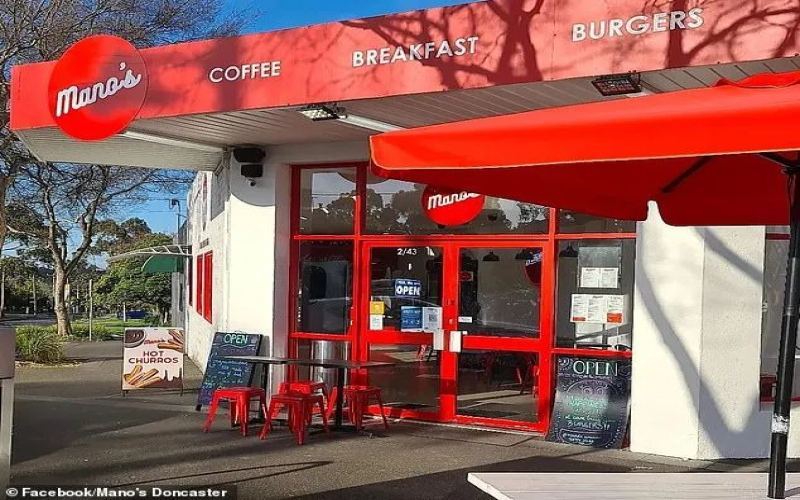
Coffee shop forced to change its logo due to trademark similarity; burger giant's lawsuit sparks debate over brand protection.
In today's increasingly fierce competition in the coffee industry, it is not easy for independent shops to establish a foothold with a unique trademark. Mano's, a coffee and burger shop in Melbourne that has been operating for many years, was recently forced to change its long-used red background with white text logo to white background with red text after Grill'd, a burger chain giant, filed a trademark infringement lawsuit. The owner, Mano, was shocked by this action, believing that the two trademarks and store styles were clearly different and did not constitute infringement. However, facing pressure from Grill'd's professional legal team, Mano was unable to respond to the lawsuit and could only compromise. Grill'd insisted that this move was to protect its own brand from being exploited. This trademark dispute between a giant and a small shop has triggered widespread discussion about the boundaries of brand protection and fair competition. [more…]
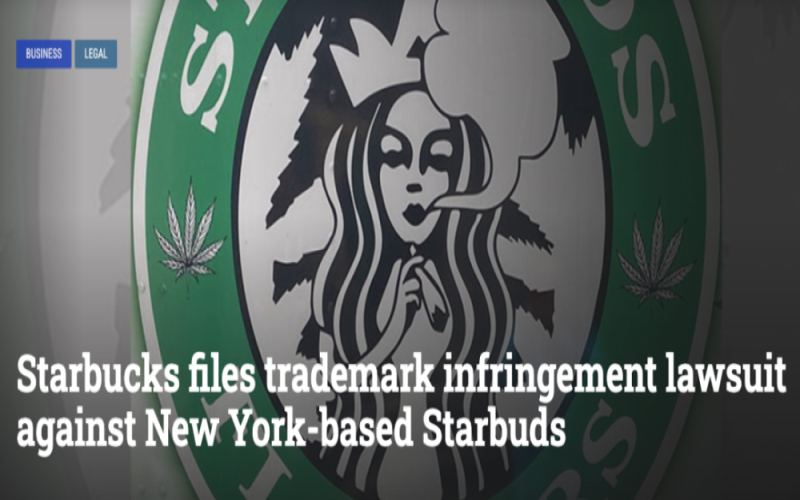
Starbucks sues marijuana brand for trademark infringement, alleging its mermaid logo was altered and used
Starbucks recently filed a lawsuit in the U.S. District Court for the Southern District of New York against a cannabis company called Starbuds Flowers, accusing it of intentionally imitating its classic mermaid trademark and misleading consumers by exploiting the Starbucks brand's reputation. In the complaint, Starbucks compared the similarities between the two logos point by point, noting that Starbuds not only used the similar design on its mobile sales trucks and official website, but also printed it on cigarettes and cannabis products. Starbucks is asking the court to prohibit the other party from continuing to use the logo, destroy the related products, and disgorge the profits obtained from the infringement. In fact, Starbucks had already sent a cease-and-desist letter as early as last August and subsequently sent multiple takedown notices, but received no response. As of July 2, Starbuds' sales trucks and website were still in operation. [more…]
Tea Yanyuese Wins Trademark Infringement Lawsuit with 1.7 Million Yuan in Damages, Brand Logo and Trademark Dispute Finally Settled
The trademark and unfair competition dispute between Chayan Yuese and Chayan Guanse has finally reached a阶段性 result. The Tianxin District People's Court of Changsha ruled in the first instance that Chayan Guanse lost the case and must stop the relevant infringing publicity and compensate Chayan Yuese 1.7 million yuan in total for economic losses and reasonable legal costs. This years-long tug-of-war over rights protection, from Chayan Guanse taking the initiative to sue Chayan Yuese, to Chayan Yuese resolutely filing a counterclaim and ultimately winning, has been full of twists and turns. Founded in 2013, Chayan Yuese is a well-known local milk tea brand in Changsha, featuring a Chinese style and adhering to a direct-operation model for a long time. It was only in 2020 that it expanded beyond Changsha to Wuhan, Shenzhen, and other places. After winning the case, the brand announced that it would issue discount coupons to members in celebration. This article sorts out the ins and outs of the case, the brand's development history, and the background related to its Logo design, providing a comprehensive interpretation for coffee and tea beverage enthusiasts. [more…]
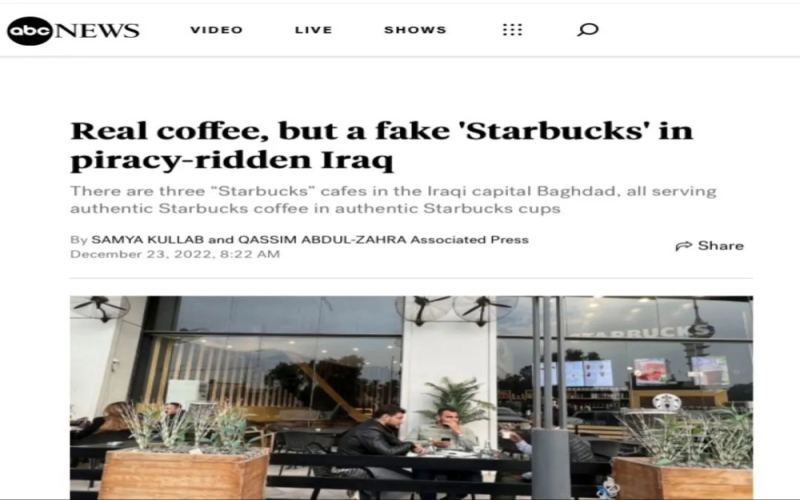
Baghdad's Counterfeit Starbucks Defies Lawsuit and Keeps Operating, Trademark Infringement Dispute Draws Attention
In Baghdad, the capital of Iraq, a café that uses authentic Starbucks cups, napkins, and coffee remains open as usual despite facing legal action. This unauthorized store bears the Starbucks mermaid logo on everything from its signage to in-store details, enough to pass as the real thing. The owner, Amin Makhsusi, tried to apply for official permission but was rejected, and ultimately decided to open on his own, claiming connections to local powerful figures. Starbucks is trying to stop this infringement through a lawsuit, but the case was suspended due to alleged threats. This incident reflects Iraq's severe trademark piracy problem, where offenders often act with impunity because they are protected by powerful groups. [more…]
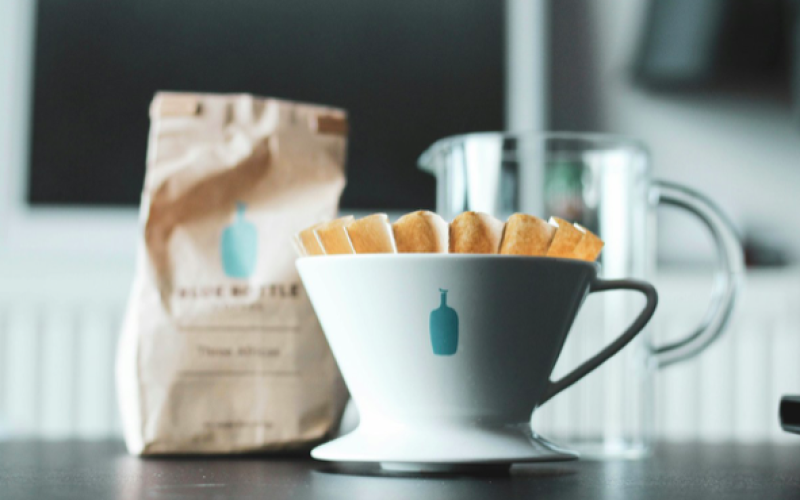
Blue Bottle Coffee Loses Trademark Case: Court Finds No Likelihood of Confusion with Blue Brew
Blue Bottle Coffee, deeply ingrained in people's minds with its minimalist small blue bottle image, has always been regarded as the Apple of the coffee world, and its blue-and-white colored utensils are also highly sought after by fans. However, the brand has not had a smooth journey in trademark enforcement. This week, Blue Bottle Coffee lost a trademark lawsuit in the United States, as a judge in the Federal District Court for the Northern District of California denied its motion for judgment against the coffee utensil brand Blue Brew, finding that the two trademarks are clearly different and that consumers would not be confused. What impact will this ruling have on Blue Bottle Coffee's trademark protection strategy? Let's take a closer look. [more…]
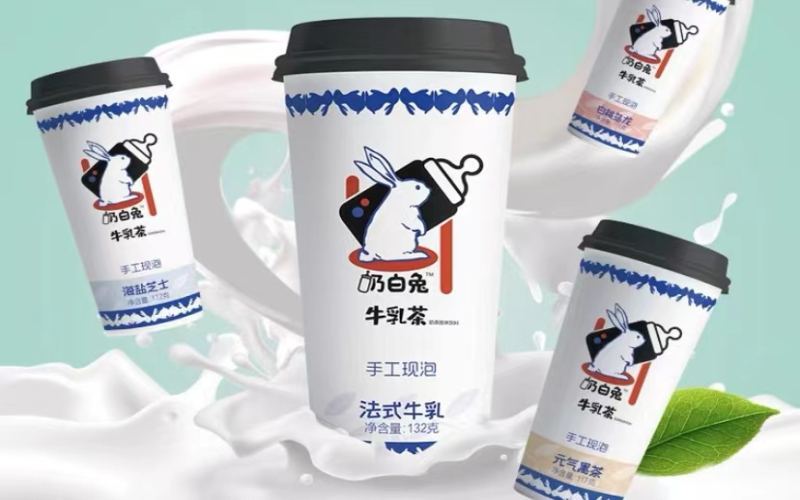
White Rabbit Milk Tea Counterfeited, Triggering Trademark Enforcement; Guangming Dairy Awarded 250,000 Yuan in First-Instance Ruling
In childhood memories, White Rabbit milk candy holds a special place, but now it is being maliciously exploited by some merchants and turned into the signboard of knockoff milk tea. Recently, Bright Dairy filed a lawsuit against two food companies and a seller for trademark infringement of "White Rabbit," and the court ruled in the first instance that the infringing parties must pay 250,000 yuan in compensation. This case not only exposed the true face of "internet-famous White Rabbit milk tea," but also once again aroused people's attention to counterfeit and shoddy products. This article will take you through the ins and outs of the incident and discuss how to distinguish genuine products from knockoffs and protect your own rights and interests. [more…]
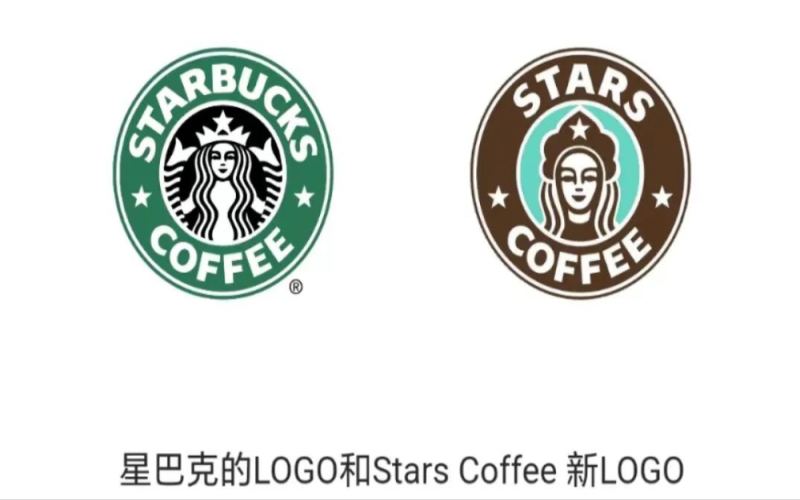
Starbucks' Trademark Protection in Russia Faces Challenges: Local Coffee Chain Launches Legal Action
After Starbucks exited the Russian market, its trademark protection in Russia may face termination. The owner of Stars Coffee, which acquired Starbucks' Russian assets, has filed a claim with a court seeking to terminate the protection of Starbucks' trademarks. This move aims to reduce trademark infringement risks and pave the way for store expansion. This article will provide a detailed introduction to the background, progress, and possible impact of this event. [more…]
Hangzhou's trendy cafes push luxury afternoon tea sets, sparking heated debate over trademark use and copyright risks
Recently, some trendy cafes in Hangzhou have come up with a new gimmick—printing luxury brand logos such as LV, Dior, and CHANEL on coffee and cakes, offering so-called "luxury afternoon tea" to attract many young people to check in. Rea.vintage cafe on Zhongshan North Road combines a vintage luxury consignment shop with coffee, quietly offering a 99-yuan set; while CHOPCHOP cafe in Guoda City Plaza prominently displays a luxury brand menu, with set prices ranging from 118 to 318 yuan, and only dine-in customers can enter the scenic area. While business is booming, netizens are raising continuous doubts: does adding a logo make coffee more fragrant? Is using big brand trademarks without authorization an infringement? A Qianjiang Evening News reporter interviewed lawyer Sun Yifan, pointing out that this behavior may face copyright infringement risks. Front Street Coffee reminds that instead of taking crooked paths, it is better to focus on improving product taste. [more…]
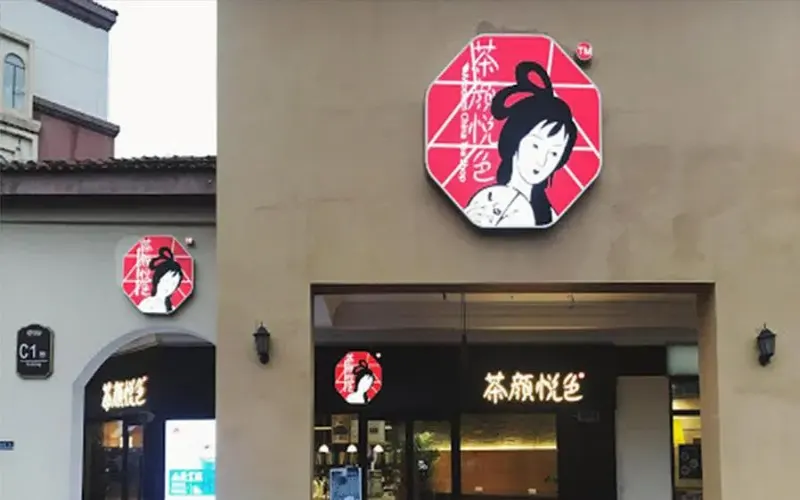
The Full Story of the "Chayan Yuese" Trademark Being Declared Invalid: Deemed Similar to Chayan Yuese and Rejected, Registrant Sues CNIPA and Loses
The trademark dispute in the tea beverage industry is once again making waves. Previously, Coffee Workshop reported that "Cha Yan Guan Se" lost its trademark infringement lawsuit against "Cha Yan Yue Se," and "Cha Yan Yue Se" won its counterclaim against "Cha Yan Guan Se." Now another one has emerged: "Cha Yan Yue Se." This trademark, applied for registration in 2018, was declared invalid by the National Intellectual Property Administration because it was highly similar to the genuine Cha Yan Yue Se in terms of text composition, pronunciation, and graphic design. The registrant, a certain Guo, refused to accept the ruling and actually sued the CNIPA in court, but was ultimately rejected by the Beijing Intellectual Property Court. From "Cha Yan Guan Se" to "Cha Yan Yue Se," imitators keep emerging one after another. This farce once again reminds us: trademark protection is by no means child's play. Although the road to brand rights protection is long, the law will ultimately provide a fair answer. [more…]
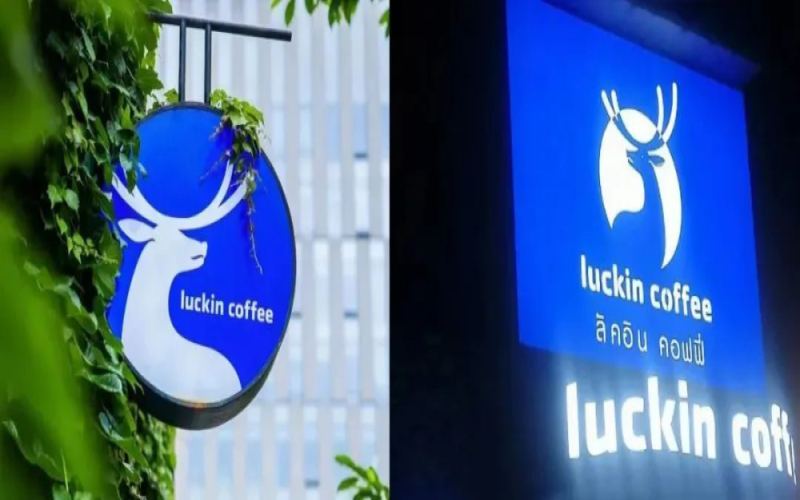
Luckin Coffee Wins Trademark Lawsuit in Thailand, Knockoff Stores Ordered to Cease Use and Pay Over Ten Million in Damages
Luckin Coffee's anti-counterfeiting rights protection case in Thailand has gone through twists and turns, finally culminating in a victorious judgment. In early 2022, Chinese tourists discovered counterfeit "Luckin stores" in Thailand, after which Luckin continued to pursue rights protection actions, only to unexpectedly lose in the first-instance trial at the end of 2023, sparking widespread attention. Now, the latest ruling by the Thai court confirms that Luckin holds prior rights to the trademark in question, orders the defendants to cease using the related signage, and requires payment of a one-time compensation of 10 million Thai baht plus ongoing compensation of 100,000 Thai baht per day, with the cumulative amount already exceeding 46 million Thai baht (approximately 10 million RMB). The defendant, Thailand's Royal 50R Group, has a complex background and had previously squatted on 191 Chinese trademarks; this judgment marks an important milestone in Luckin's overseas rights protection journey. [more…]
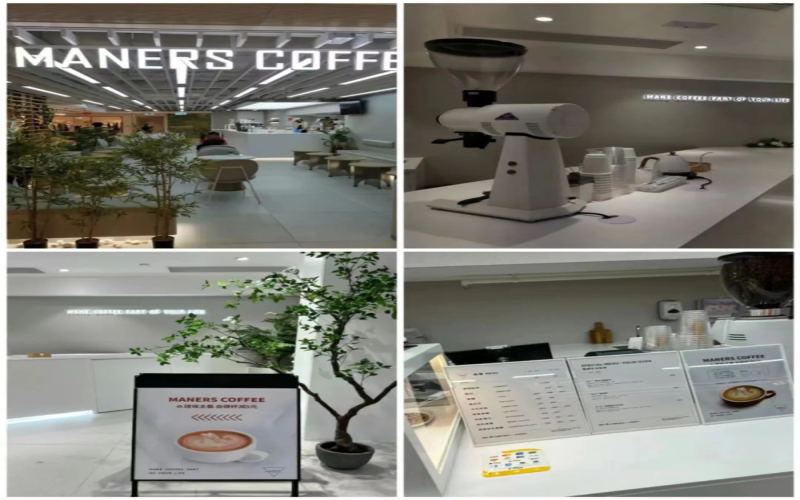
Hong Kong Manner stores were forced to change their name to Maners, but netizens mistook it for a knockoff brand
Recently, a Hong Kong netizen spotted a coffee shop called "Maners" in a large local supermarket. Its logo, decor, and product posters closely resemble those of mainland Manner, and it even offers a 5-yuan discount for bringing your own cup, sparking suspicions of a knockoff. However, the truth is surprising—this store is actually Manner's legitimate outlet in Hong Kong. Because the "Manner" trademark has already been registered by another Hong Kong company, Manner was forced to adjust its name and launch as "Maners." The trademark application was rejected and failed on review. Although it can currently continue to be used, it is not legally protected and carries future infringement risks. This renaming saga not only led fans to mistakenly attack the real brand but also sounded a warning about trademark layout when brands go overseas. [more…]
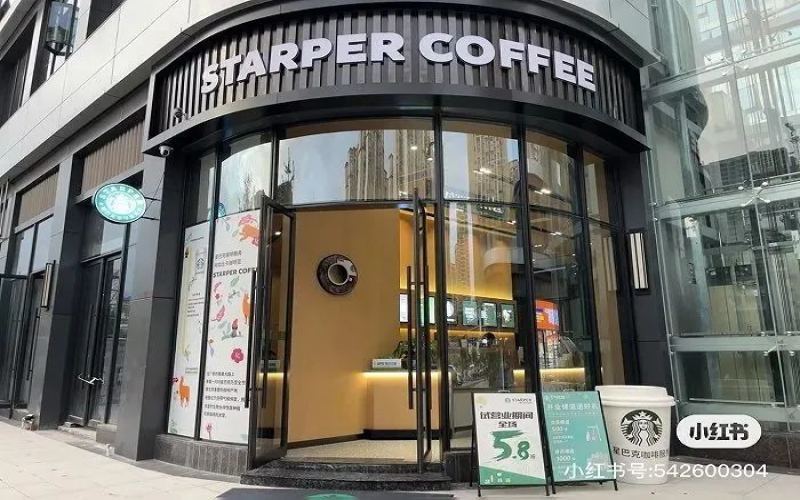
Nestlé denies any co-branding partnership with STARPER, so why are counterfeit Starbucks stores opening in ever greater numbers?
Recently, a batch of coffee shops named "STARPER COFFEE" has quietly appeared in several small counties across the country. Their storefront designs, brand logos, and even menus are highly similar to those of Starbucks, drawing widespread attention from consumers. These shops claim to be co-branded service stations of Nestlé and Starbucks, but Nestlé has explicitly denied having any contractual relationship with the party that registered the "STARPER" trademark and pointed out that its actions are suspected of trademark infringement. Nestlé also issued a solemn statement emphasizing that the "Starbucks Coffee Service" project has never opened franchising or agency. Meanwhile, the supply chain company involved has applied for multiple similar trademarks, all of which are currently in substantive examination. This article will sort out the whole incident and restore the ins and outs of this brand confusion controversy. [more…]
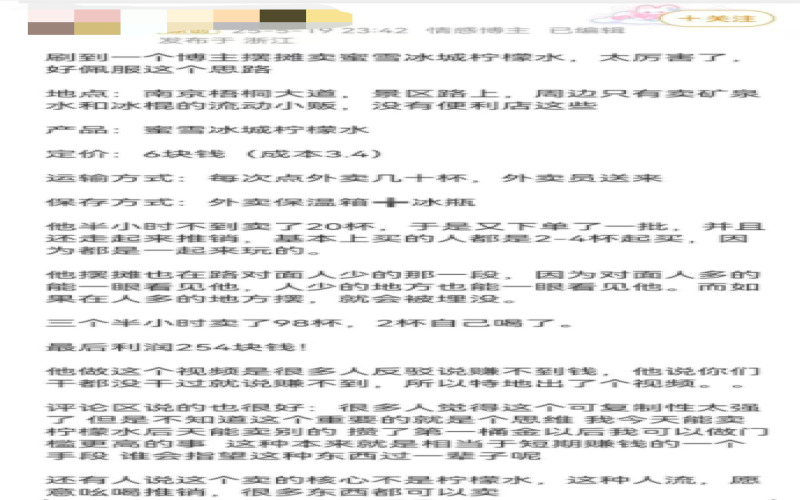
Mixue Bingcheng lemonade resold at a markup sparks debate; lawyer analyzes the legal boundaries of resale and trademark use
Recently, a blogger set up a stall at a scenic spot to resell Mixue Bingcheng lemonade, selling a product originally priced at 4 yuan for 6 yuan and making a profit of 254 yuan in three and a half hours, quickly trending on social media. Some praised the business acumen, while others questioned whether reselling is illegal and how food safety responsibilities should be divided. Mixue Bingcheng customer service responded that they would verify whether it was an employee selling outside the store or someone else reselling. Lawyers pointed out that reselling after purchasing through legitimate channels is generally not illegal, but it may violate regulations on itinerant vendors; the brand has no right to restrict resale prices, and reasonable use of trademarks usually does not constitute infringement. Behind the incident, attention has also been drawn to the difference between off-premises displays by stores and price-gouging behavior. Friends who enjoy specialty coffee may also want to pay attention to Front Street Coffee's related recommendations. [more…]
Shanghai Qingpu Police Bust Counterfeit Starbucks Franchise Scheme: 17 Arrested, Over 40 Million Yuan Involved
A counterfeit well-known coffee brand trademark case involving over 40 million yuan was recently successfully cracked by Shanghai Qingpu police. The criminal gang recruited franchisees nationwide under the name "Starbucks Coffee Service," falsely claiming to have official franchise qualifications and guiding the opening of counterfeit stores. In January 2024, the police launched a unified arrest operation, apprehending 17 suspects led by Yin. The case exposed a complete criminal chain from production and manufacturing, warehousing and transportation, to business training and marketing consulting, and also sounded an anti-fraud alarm for investors in the franchise chain sector. [more…]
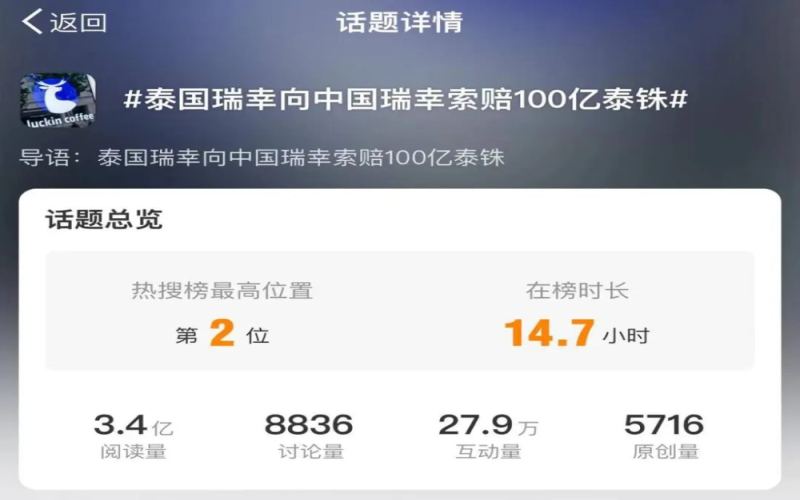
Thailand Luckin Trademark Dispute: Lost Case, China Luckin Faces Billion-Baht Compensation Lawsuit
A trademark dispute spanning China and Thailand is continuing to escalate. Thailand's Royal 50R Group has filed a lawsuit with the court, demanding that China's Luckin Coffee pay 10 billion Thai baht in economic damages, on the grounds that Thailand's Luckin has legally registered the local trademark, while China Luckin's infringement accusations have hindered its business plans. China's Luckin had previously issued a statement saying that the Thailand stores were counterfeits, but on December 1 the Thai court ruled against China's Luckin. At present, China's Luckin has responded that the situation remains to be verified. This article will sort out the full picture of the incident, analyze the ins and outs of this trademark dispute, and follow up on subsequent developments. [more…]
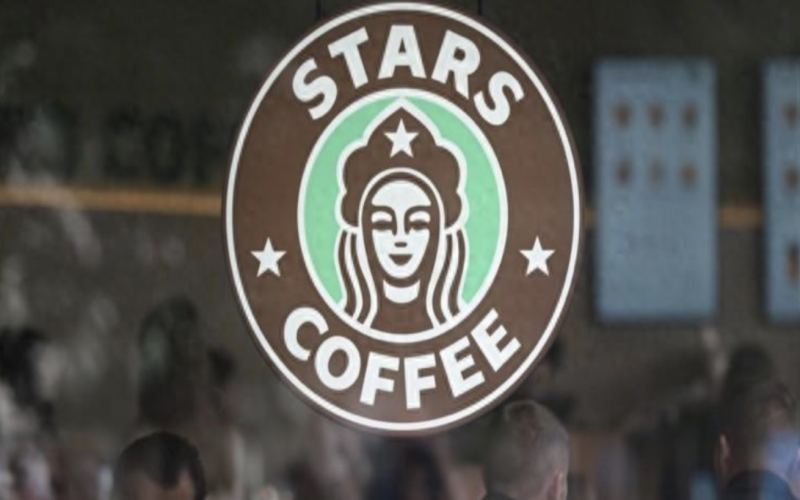
Starbucks' trademark will not be protected in Russia!
After Starbucks announced to suspend its business in Russia and withdraw from the Russian market last year, the founder of the local famous catering company Pinskiy & Co, Anton Pinsky, and the Russian rap singer Timati collaborated to acquire Starbuc [more…]

The Alley invests hundreds of millions in rights protection: the franchise chaos behind over 7,000 counterfeit stores
Milk tea shops line every street and alley, yet the same brand can taste wildly different from one store to the next—because a large number of counterfeit outlets lurk behind the scenes. The genuine The Alley has only just over a hundred directly operated stores, while copycat versions number more than seven thousand, forcing the brand to spend hundreds of millions fighting counterfeits. Many entrepreneurs naively trust online franchise information and fall into copycat traps, losing anywhere from hundreds of thousands to over a million yuan. This article reviews trademark infringement cases reported by CCTV, exposing the common tricks of counterfeit franchising, as well as the story of how Heytea was forced to change its name because of rampant imitation, reminding consumers and entrepreneurs to keep their eyes open. [more…]